

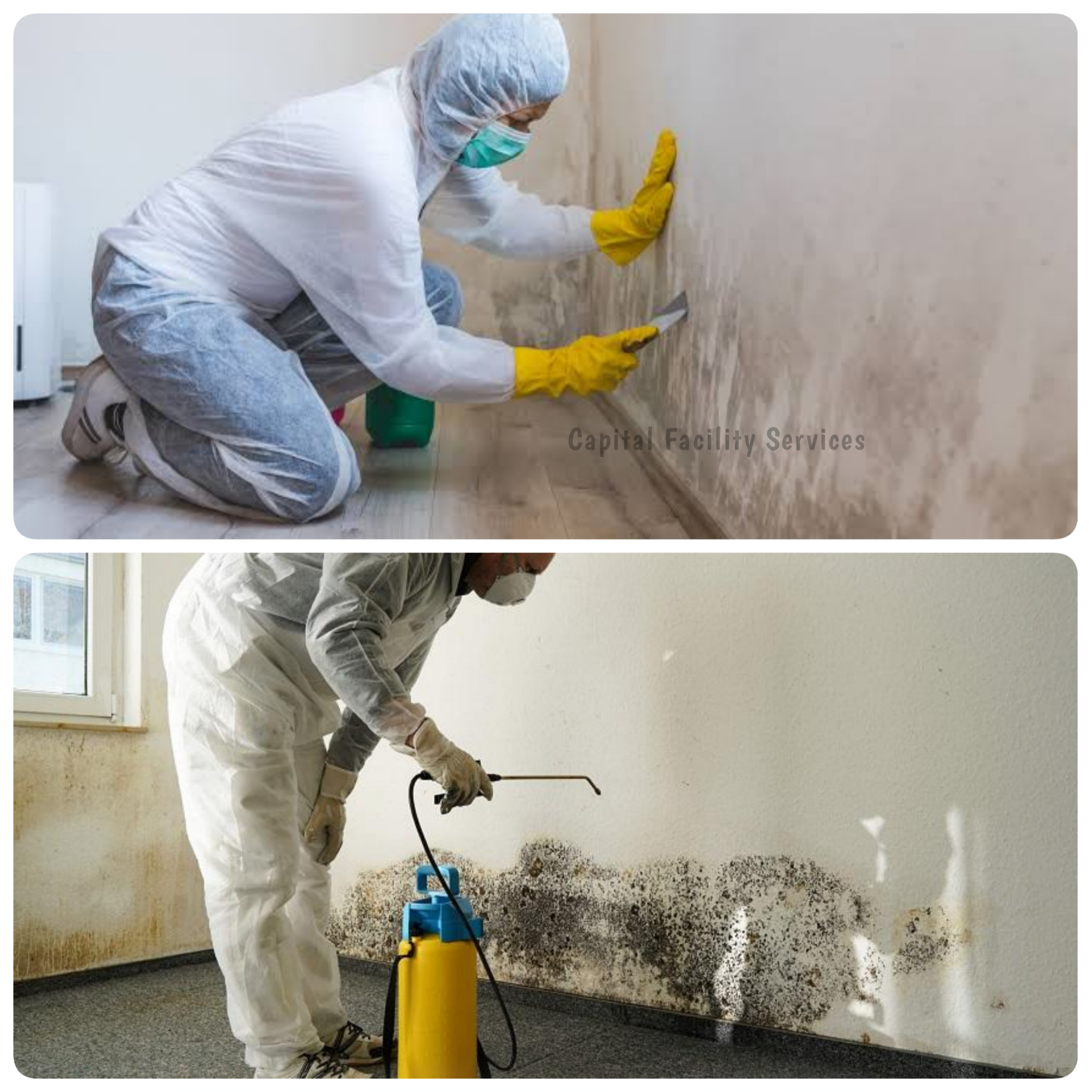
Water gathers in most concealed areas within a house. Walls and subfloors are at risk. Poor airflow, humidity and leaks cause mould growth quickly. Mould Removal Services are called by many owners when they notice the stains or smell bad odours. Various regions require various treatment approaches. It is important to know the difference prior to reserving a job.
How does mould grow on walls?
When moisture remains on the surfaces, it results in the growth of wall mould. This is caused by bathroom steam, roof drips and water dripping pipes. Drywall and painted plasterboard get wet fast. The spores of the moulds then multiply on the surfaces. Black or green patches are quite common to see. Early intervention prevents subsequent injury and health hazards.
Why are the subfloor areas becoming mouldy faster?
Subfloors remain dark and wet. Inadequate ventilation enhances moisture. The vapour on the ground also ascends into the structure. That moisture is absorbed in timber and insulation materials. This provides perfect conditions for moulds. Subfloors are not frequently checked by many of their owners. Due to that, expansions propagate months unannounced. Mould Removal Services tend to be more contaminated below the floors than on the walls.
Are the same steps required when treating wall mould and subfloor mould?
No. Every location requires a new strategy. The wall mould treatment is on the surface removal and sealing. The wall is washed by technicians, treated and dried. They can take out the plasterboard parts that are damaged. Subfloor treatment should be done more deeply. Timber, joists and insulation are inspected by teams. They employ airflow measuring instruments and moisture meters. They can also enhance ventilation in order to stop return growth.
What makes you call a Mould Cleaning Service and not clean it yourself?
Basic cleaning can be performed on small spots estimated to be less than one square metre. A big spread requires professional assistance. A Mould Cleaning Service involves personal protective equipment and enclosure measures. The professionals prevent cross-contamination at the point of removal. They also administer commercial antimicrobial therapy. Do-it-yourself cleaning tends to cause spores to disseminate via the air. That develops new colonies in other rooms.
What are the tools of professionals to remove wall mould?
HEPA vacuums and air scrubbers with filters are in use by teams. They apply accepted mould solutions that eliminate spores. Gentle wiping and blotting of surfaces. After treatment, the moisture meters prove that it is dry. Some cases require sealant finishes following cleaning. Such coatings prevent subsequent development. The other factor that contributes to success is fast drying.
What equipment do practitioners have for subfloor mould jobs?
Solid jobs have better equipment. Negative air machines are installed by crews to address spore diffusion. They employ crawl-space vacuuming equipment and fogging devices. Timber can be sanded or treated on its surface. Most wet insulation is frequently removed and replaced. Vents can be installed to facilitate air circulation. These measures are to minimise outbreaks.
Do wall and subfloor moulds have any health risks?
Yes. Mould spores influence air quality. The mould on the subfloor can easily propagate the spores into the living spaces via the lapses. Quick response safeguards the indoor space and health of the family.
What is the average period of mould removal?
Little Wall works can be over in a few hours. Massive wall segments can require one or two days. Subfloor projects are usually time-consuming. Limits of access and drying time influence duration. After removal, moisture control measures are applied. Success can be checked by follow-ups.
What can you do to avoid the recurrence of mould?
Control moisture first. Fix leaks quickly. Install exhaust fans in bathrooms and kitchens. Enhance subfloor ventilation. Maintain the humidity inside the house to less than 60 per cent. Arrange routine maintenance in wet areas. Prevention is cheaper than repeated elimination.
Who do you call in case you want Professional Mould Removal Services?
Select qualified technicians who would examine the exposed and concealed spaces. Request moisture testing and prevention. Capital Facility Services is the home of expert Mould Removal Services that safeguard the structure and air quality.