

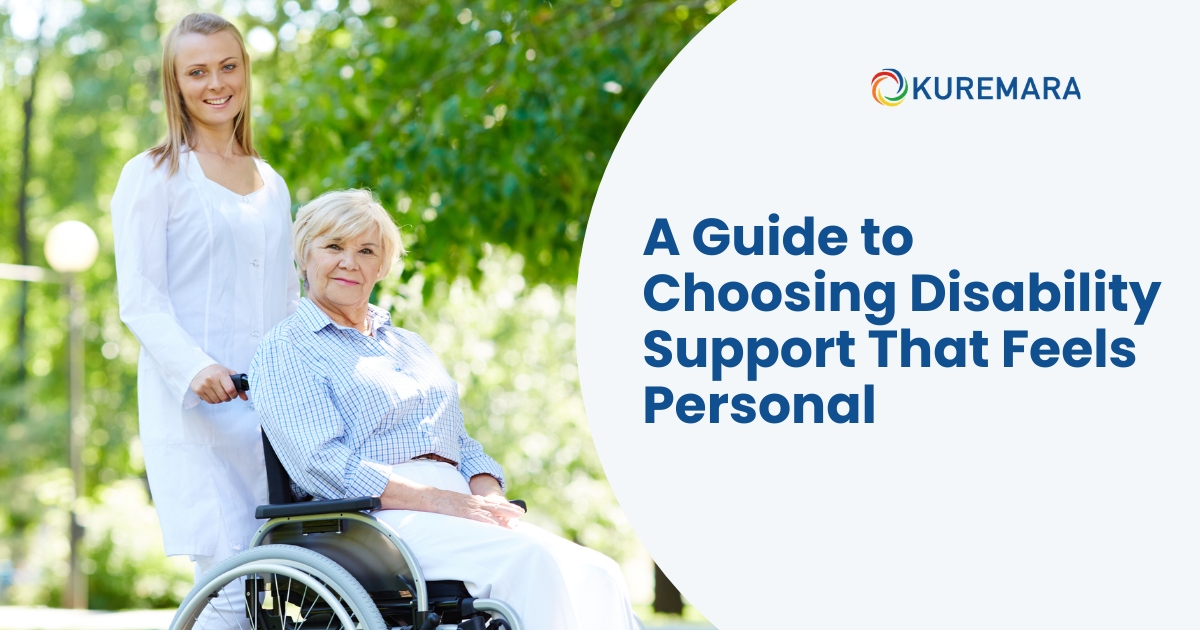
Finding disability support is not always straightforward. Many participants and families begin the process thinking they simply need a provider, but quickly realise the decision is much bigger than that. The right support can influence confidence, emotional wellbeing, independence, routines, and even how comfortable someone feels in their own daily life.
In Brisbane, there are many disability support options available, which gives participants more flexibility but can also make the process more overwhelming. Every provider offers different services, communication styles, and approaches to care. Some focus heavily on structure and systems, while others place more emphasis on flexibility and participant choice.
Because of this, families are becoming more thoughtful about how they choose support. Instead of looking only at availability, they now pay closer attention to how providers communicate, how consistent their support is, and whether services genuinely feel participant-focused.
Support Is About More Than Assistance
Many people still think disability support is only about helping with daily activities. In reality, quality support affects nearly every part of a participant’s life.
The right support can help someone:
- feel more confident socially
- become more independent at home
- build stronger daily routines
- participate in community activities
- feel emotionally safer and more supported
This is why participants increasingly look for providers who understand that support should improve overall quality of life, not simply complete practical tasks.
Families often compare ndis registered providers Brisbane because they want reassurance that support will feel reliable, safe, and professionally managed while still remaining personal and flexible.
Every Participant Has Different Priorities
No two participants experience disability in the same way. Some people may need high-level daily assistance, while others may focus more on transport, social connection, or independent living goals.
This means support should never feel identical for everyone.
For some participants, the most important thing might be:
- reliable transport to appointments
- assistance with daily routines
- social interaction and community access
- stable accommodation support
- emotional reassurance and consistency
For others, the focus may be on building independence slowly over time.
Good providers understand that support should adapt to the individual rather than expecting the individual to fit into a fixed system.
Why Families Pay Attention to Communication
Communication often becomes one of the deciding factors when families choose a provider. A service can offer many supports, but if communication feels unclear or inconsistent, trust becomes difficult to build.
Strong providers usually focus on:
Listening First
Participants and carers want to feel heard, not rushed through conversations.
Keeping Families Informed
Clear updates and transparent communication help families feel more confident and involved.
Responding Quickly
Fast responses create reassurance when schedules or support needs change.
Respectful Interactions
The tone and attitude of communication often shape how safe and comfortable participants feel.
This is one reason many people researching ndis support services brisbane place strong importance on responsiveness and relationship-building rather than only comparing pricing or service lists.
What Good Disability Support Looks Like in Practice
Participant-focused support is often visible in the small details rather than large promises.
Good support may involve:
- familiar support workers who understand routines
- flexible scheduling when circumstances change
- encouragement during daily activities
- helping participants build confidence gradually
- supporting community involvement and independence
The goal should not be to control participants’ lives but to support them in living more comfortably and confidently.
Different Types of Support Participants May Need
Modern disability services often include a broad range of support options depending on the participant’s goals and circumstances.
Pointwise, services may include:
- Supported Independent Living (SIL)
- Individualised Living Options (ILO)
- in-home care and assistance
- community participation programs
- Short Term Accommodation (STA)
- transport assistance
- nursing and complex care support
This variety allows participants to access support that matches both current needs and future goals.
Why Stability Can Improve Confidence
Participants often feel more comfortable when support becomes familiar and predictable. Frequent changes to routines or staffing can sometimes create stress, particularly for people who rely heavily on structure.
Stable support relationships often help participants:
- feel emotionally safer
- build trust more easily
- become more confident socially
- maintain routines more comfortably
- reduce anxiety around change
This is one reason many families carefully compare NDIS provider Brisbane options before committing to long-term services.
Consistency often matters just as much as the services themselves.
A More Flexible Approach to Disability Support
Kuremara describes itself as a registered NDIS provider offering disability support services across Australia, including Brisbane. According to its website, the organisation provides services such as Supported Independent Living (SIL), Individualised Living Options (ILO), Short Term Accommodation (STA), in-home support, transport assistance, community participation, and complex care services.
Its Brisbane-related pages state that the organisation focuses on participant-centred support designed around independence, wellbeing, and everyday confidence. The website also references flexible support arrangements intended to adapt to changing participant needs and goals.
The organisation further highlights accommodation opportunities and disability support services aimed at helping participants maintain routines, build independence, and remain connected to their communities.
For families reviewing support providers, this positioning suggests a focus on personalised and flexible support rather than highly standardised service delivery.
Community Participation Is About Inclusion
Being part of the community can have a major impact on emotional wellbeing. Community participation is not only about activities or outings. It is also about helping participants feel socially included and connected.
Pointwise, community-based support can help participants:
- build communication skills
- improve social confidence
- reduce feelings of isolation
- create enjoyable routines
- strengthen emotional wellbeing
Support providers that encourage social connection often help participants feel more engaged in everyday life.
Questions Worth Asking Before Choosing Support
Families often feel more confident after asking practical questions about how support actually works day to day.
Helpful questions include:
- How flexible are support arrangements?
- How are support workers matched with participants?
- What happens if support needs change?
- How does communication work with families?
- How does the provider encourage independence?
- What experience does the provider have with similar support needs?
These discussions often reveal whether support will feel genuinely participant-focused long term.
Why the Right Support Environment Matters
Participants spend a significant amount of time with their support teams, which means the emotional environment around care matters greatly.
Good support environments usually feel:
- calm and respectful
- encouraging rather than restrictive
- consistent and organised
- emotionally safe and reassuring
The right environment often helps participants feel more comfortable exploring new routines, activities, and levels of independence.
Conclusion
Choosing disability support is not simply about finding available services. It is about finding people who communicate well, understand individual needs, and create a stable environment where participants can feel comfortable and supported.
Kuremara presents itself as a registered NDIS provider offering disability support services across Brisbane, including SIL, STA, ILO, transport assistance, in-home care, community participation, and complex care services. Its website highlights a participant-focused approach designed around independence, wellbeing, and everyday confidence.
For participants and families exploring support options in Brisbane, the right provider is usually the one that creates not only practical assistance, but also trust, consistency, flexibility, and a genuine sense of support in everyday life.